St. Petersburg Grand Prix Pole: Rookie Surprises & Champion Struggles Set the Stage
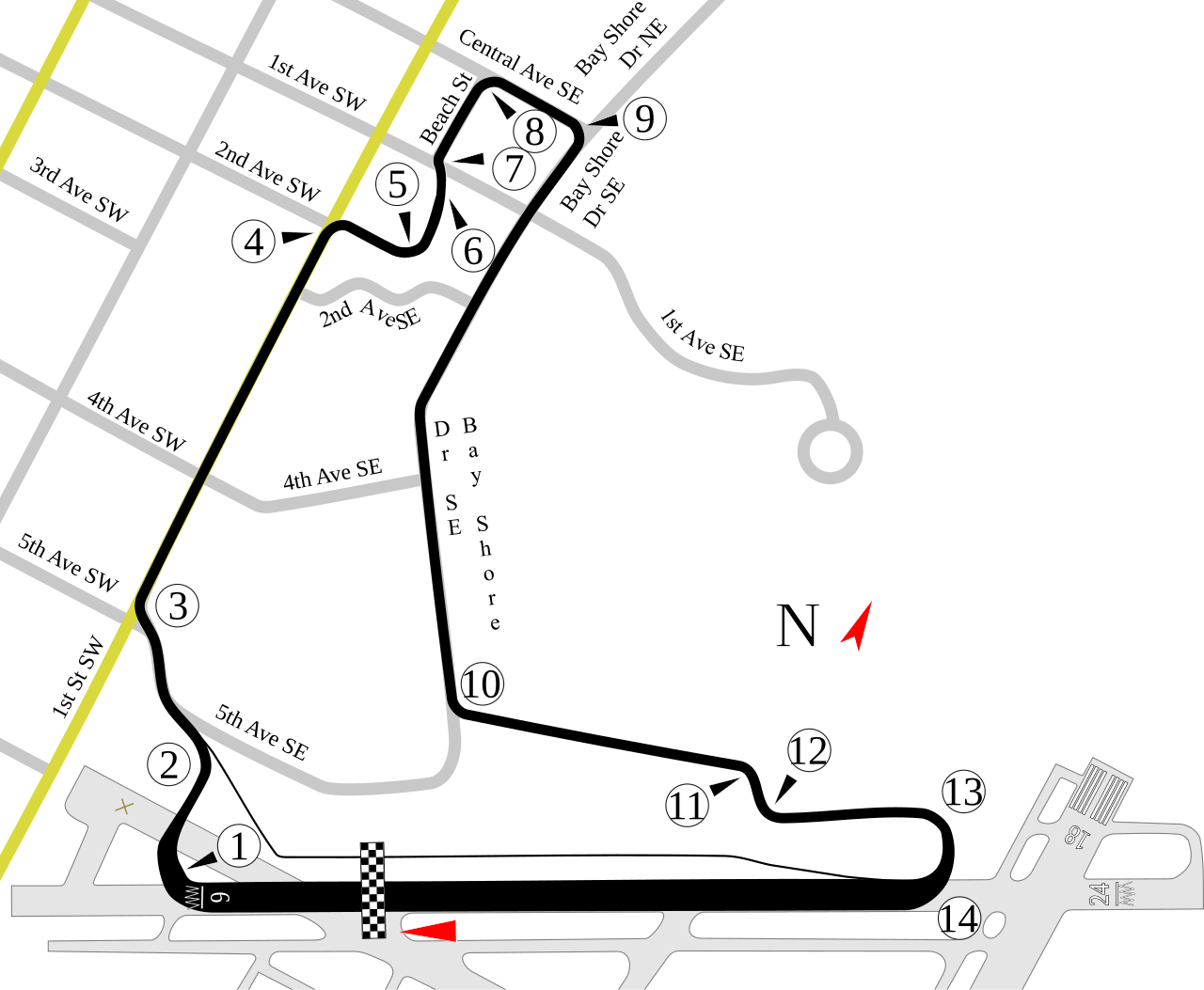
The roar of engines and the smell of high-octane fuel heralded the start of another exhilarating IndyCar season, with the Firestone Grand Prix of St. Petersburg delivering immediate drama and unexpected twists during its qualifying sessions. As drivers pushed the limits of their machinery on the demanding 1.8-mile temporary street circuit, the race for the coveted
pole grand prix position unfolded with a compelling narrative of veteran mastery, sensational rookie talent, and surprising struggles for seasoned champions. Scott McLaughlin once again cemented his reputation as a street circuit specialist, but it was the incredible performance of a debutant that truly captured the headlines.
McLaughlin's Masterclass: Securing Back-to-Back St. Pete Poles
For the second consecutive year, New Zealander
Scott McLaughlin showcased his undeniable skill on the streets of downtown St. Petersburg, snatching the
pole grand prix for the IndyCar Series’ season opener. Driving the formidable No. 3 Team Penske Chevrolet, McLaughlin posted an blistering fastest lap of 1 minute, .5426 of a second, demonstrating precision and raw speed. This remarkable achievement marks his 12th career IndyCar pole and his third in the last five years at this particular venue, solidifying his status as a master of the St. Pete circuit.
McLaughlin's success isn't just about speed; it's a testament to meticulous preparation and a strong team dynamic. "Raul (Prados), my new engineer, gave me a great car," McLaughlin acknowledged, highlighting the crucial collaboration behind every perfect lap. Coming off a challenging previous season, securing the pole provides a significant psychological boost. "Everybody knows the slog we went through last year, so to start on this note is fantastic. Bloody good, bloody good," he exclaimed, visibly pumped. This repeat performance sets a high bar for the season and reaffirms Team Penske's formidable presence in the series. For a deeper dive into his qualifying feat, check out our article:
Scott McLaughlin Secures Back-to-Back St. Pete Grand Prix Pole.
Joining McLaughlin on the front row will be 2022 Indianapolis 500 winner
Marcus Ericsson, who qualified an impressive second with a best lap of 1:00.5621 in the No. 28 Honda of Andretti Global. This solid start positions Ericsson perfectly to challenge for victory on Sunday.
The Rookie Sensation: Dennis Hauger's Daring Debut
Perhaps the most captivating story from qualifying was the stunning performance of rookie
Dennis Hauger. In his series debut, the young Norwegian, driving the No. 19 Honda, defied expectations by securing the third starting position with a best lap of 1:00.5743. Hauger's accomplishment is particularly significant as he became the first driver to make the prestigious Firestone Fast Six in their very first IndyCar event since Christian Lundgaard did so in 2021.
This isn't just a strong qualifying run; it's a statement. Making the Fast Six on a notoriously tricky street circuit, against a field of seasoned veterans, speaks volumes about Hauger's talent, adaptability, and nerve. Rookies often struggle with the unique demands of IndyCar, especially on temporary street courses where track knowledge and precision are paramount. Hauger's immediate impact suggests he could be a significant force to watch throughout the season, injecting fresh excitement into the championship hunt. His unexpected surge to the front adds another layer of intrigue to Sunday's race, proving that new talent can immediately challenge for the top spots.
Veteran Champions Face Unexpected Hurdles
While McLaughlin celebrated and Hauger stunned, the qualifying session also brought a dose of reality for several multi-time champions and pre-season favorites. Defending St. Petersburg Grand Prix and series champion
Alex Palou, a four-time series champ, will start fourth in his No. 10 Chip Ganassi Racing Honda, a respectable but not dominant start for the reigning title holder. His best lap of 1:00.6842 shows he's in the mix, but the front row eluded him.
However, the struggles for some veterans were more pronounced. Last year’s IndyCar standings runner-up,
Pato O’Ward, failed to advance past the second round of qualifying and will start eighth in the No. 5 Chevrolet. While not a disaster, it places him further back than he would ideally want on a circuit where track position is key.
More surprisingly, multiple series champions
Scott Dixon and
Josef Newgarden experienced significant setbacks. Dixon, a six-time series champion and one of the sport's all-time greats, will start a distant 16th. A crucial slide at the start of his final qualifying lap in the first session of the No. 9 Chip Ganassi Racing car eliminated him from contention – a rare misstep for the "Ice Man." This marks the first time Dixon was eliminated in the opening round of qualifying for the St. Pete race since 2013, highlighting the unforgiving nature of the circuit.
Even more challenging was the outcome for two-time series champion and two-time St. Petersburg winner
Josef Newgarden. The Team Penske ace will start a lowly 23rd in the No. 2 Chevrolet. For a driver of Newgarden's caliber and track record at St. Pete, this represents a significant uphill battle for race day. These qualifying results underscore the extreme competitiveness of IndyCar and how a single error or a slightly off-setup can send even the most accomplished drivers tumbling down the grid. The fight from the back will be a true test of their championship mettle.
Other notable qualifiers include
David Malukas, who qualified fifth for Team Penske, and
Romain Grosjean, returning after a hiatus, who rounded out the top six. For a complete breakdown of where every driver will line up, our
IndyCar Season Opener: Full St. Pete Grand Prix Starting Grid Revealed article has all the details.
Mastering the Pole: The Unique Demands of Street Circuits
Securing the
pole grand prix on a temporary street circuit like St. Petersburg is a feat of unparalleled precision and bravery. Unlike purpose-built road courses or ovals, street circuits offer minimal margin for error. Concrete barriers line every turn, punishing even the slightest miscalculation. This environment elevates the intensity of qualifying and demands a unique approach from drivers and engineers:
*
Precision Over Power: While power is essential, the tight confines and numerous braking zones prioritize precise steering inputs, throttle control, and braking points. A millimeter off the racing line can cost valuable tenths of a second.
*
Constantly Evolving Track: Temporary street circuits "rubber in" throughout the weekend as cars lay down grip, meaning track conditions improve with every session. Engineers and drivers must anticipate these changes for optimal setup.
*
Risk vs. Reward: To extract the absolute maximum from a car on a qualifying lap, drivers must brush the walls and push the boundaries of adhesion. It's a high-stakes gamble where a fraction of an inch can mean a massive gain or an instant trip to the runoff area (or worse, the barriers).
*
Tire Management: On street circuits, getting the tires into their optimal operating window for just one or two hot laps is critical. Overheating them or not generating enough heat can severely compromise grip.
*
Mental Fortitude: The psychological pressure to deliver a perfect lap in qualifying is immense, especially knowing that any mistake could end the session prematurely.
While the "pole grand prix" concept applies across different racing series, the specific challenges vary significantly. For instance, qualifying for a NASCAR DuraMax Texas Grand Prix at the Circuit of the Americas, while also a road course, offers more run-off areas and generally less immediate punishment for minor errors compared to the concrete jungle of St. Pete. Tyler Reddick's pole win at Texas demonstrates excellence in a different context, but the raw, unforgiving nature of St. Petersburg truly sets its qualifying apart.
What to Expect on Race Day
The stage is now set for a thrilling 100-lap race on Sunday. Scott McLaughlin's pole position gives him the best possible start, offering clear track ahead and the ability to control the pace early on. However, victory on a street circuit is far from guaranteed from the pole. Overtaking opportunities can be scarce, emphasizing the importance of pit strategy and tire management over the long run.
The battle will be fierce throughout the field. Rookie Dennis Hauger will be looking to convert his sensational qualifying into a strong points finish, while Marcus Ericsson aims to challenge McLaughlin directly for the lead. Further back, champions like Alex Palou, Scott Dixon, and Josef Newgarden face an arduous task. Their experience and race craft will be crucial as they attempt to navigate through traffic and make up positions without taking excessive risks. Sunday promises to be a true test of endurance, strategy, and skill, cementing the St. Petersburg Grand Prix as a highlight of the IndyCar calendar.
Conclusion
The qualifying sessions for the St. Petersburg Grand Prix delivered all the drama and excitement one could hope for at the start of a new IndyCar season. Scott McLaughlin's dominant performance in securing a repeat
pole grand prix underscored his mastery of street circuits, while Dennis Hauger's incredible rookie debut sent ripples of anticipation through the paddock. The struggles of multiple champions further highlighted the unforgiving nature of this demanding track and the intense competition within the series. As the grid prepares for battle, the blend of seasoned excellence, unexpected rookie talent, and champions fighting from the back promises an unforgettable race day. The journey to the checkered flag will undoubtedly be filled with strategic gambles, thrilling overtakes, and high-speed drama, all kicking off from a qualifying session that truly had it all.