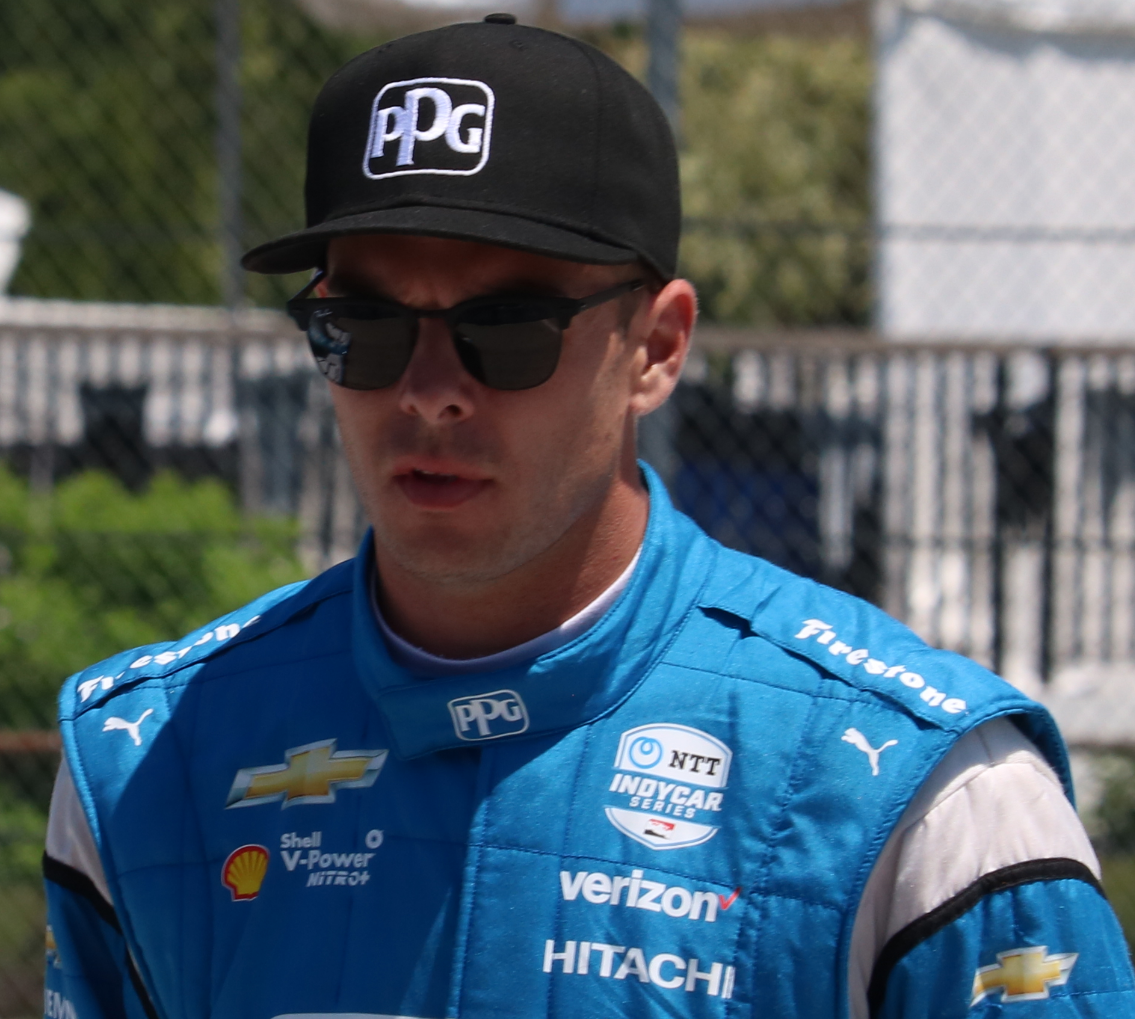
Scott McLaughlin Electrifies St. Petersburg with Stunning Back-to-Back Pole Grand Prix Victory
The roar of engines on the sun-drenched streets of downtown St. Petersburg signaled the official start of another exhilarating IndyCar Series season, and once again, one name dominated the qualifying headlines: Scott McLaughlin. The New Zealander delivered a masterful performance, securing the
pole position for the Firestone Grand Prix of St. Petersburg for an astounding second consecutive year. This repeat triumph not only sets a formidable precedent for the season opener but firmly establishes McLaughlin as the undisputed king of qualifying on this challenging temporary street circuit.
McLaughlin's precision and raw speed behind the wheel of the No. 3 Team Penske Chevrolet left competitors trailing, as he navigated the 14-turn, 1.8-mile layout with breathtaking efficiency. His fastest lap of 1 minute, 0.5426 of a second was a testament to both his innate talent and the meticulous preparation of his team. This marks his 12th career IndyCar
pole and his third at St. Petersburg in just five years, underlining a remarkable consistency on a track that demands absolute perfection.
Mastering the Street Circuit: McLaughlin's Unmatched Pace
Securing
pole on a street circuit like St. Petersburg is a unique challenge, distinct from the high-speed ovals or purpose-built road courses. The unforgiving concrete barriers, limited run-off areas, and constantly evolving track conditions mean every millisecond gained is a dance on the edge of disaster. McLaughlin, however, appears to have found the perfect rhythm.
"Raul (Prados), my new engineer, gave me a great car," McLaughlin acknowledged, crediting his team's efforts. His excitement was palpable, reflecting on the previous season: "Everybody knows the slog we went through last year, so to start on this note is fantastic. Bloody good, bloody good." This strong qualifying performance suggests Team Penske has hit the ground running, alleviating early-season pressure and allowing McLaughlin to focus on converting his front-row start into a race victory.
What makes McLaughlin so adept here?
- Precision Driving: Street circuits reward pinpoint accuracy, braking late, and carrying immense speed through corners without touching the walls. McLaughlin's lines were consistently perfect.
- Car Setup Expertise: His feedback to the team, coupled with their engineering prowess, clearly resulted in a Chevrolet that was perfectly balanced for the bumps and turns of St. Pete.
- Confidence: Having won the pole here before, McLaughlin likely carries a psychological edge, allowing him to push the limits with unwavering self-belief.
This back-to-back
pole position is a significant statement. It not only establishes him as a formidable competitor for the St. Petersburg Grand Prix itself but also signals his intent for the entire championship season. Starting from the front allows for clean air, strategic control, and avoids the typical first-lap melees that can often dictate the outcome on such tight circuits.
The Front Row and Surprising Newcomers Shake Up the Grid
While McLaughlin celebrated his dominance, the rest of the top qualifiers provided plenty of intrigue, promising a thrilling race. Joining McLaughlin on the coveted front row is the 2022 Indianapolis 500 winner, Marcus Ericsson. His No. 28 Honda of Andretti Global clocked a best lap of 1:00.5621, just fractions of a second shy of McLaughlin, underscoring the razor-thin margins at the elite level of IndyCar racing. Ericsson's consistency and race craft make him a serious threat from the second starting spot.
Perhaps the biggest surprise of the qualifying session came from rookie Dennis Hauger. Driving the No. 19 Honda, Hauger stunned the paddock by securing the third position with a lap of 1:00.5743. His inclusion in the elite Firestone Fast Six in his series debut is a remarkable achievement, making him the first driver to do so since Christian Lundgaard in 2021. Hauger's performance immediately marks him as a talent to watch, demonstrating that raw speed and adaptability can quickly shine in IndyCar. For more on the rookie standouts and veteran challenges, check out our article on
St. Petersburg Grand Prix Pole: Rookie Surprises & Champion Struggles.
Rounding out the top six were:
- Alex Palou (4th): The defending St. Petersburg Grand Prix and series champion, driving the No. 10 Chip Ganassi Racing Honda, posted a solid 1:00.6842. While not on pole, a fourth-place start is a strong foundation for the race, especially for a driver known for his strategic brilliance.
- David Malukas (5th): Making his debut for Team Penske in the No. 12 Chevrolet, Malukas qualified an impressive fifth at 1:00.7638. Stepping into the shoes of a two-time series champion like Will Power is no small feat, and Malukas's performance suggests he's ready for the challenge.
- Romain Grosjean (6th): Returning to the series after a hiatus, Grosjean rounded out the Firestone Fast Six in the No. 18 Dale Coyne Racing Honda with a 1:01.3462. His experience will be invaluable starting near the front.
Veterans Face Unexpected Struggles as the Grid Takes Shape
While some celebrated, others faced early disappointments during the qualifying sessions. The competitive intensity of IndyCar was laid bare as several established stars found themselves further down the
grid than anticipated. Pato O’Ward, last year’s runner-up in the IndyCar standings, failed to advance past the second round of qualifying and will start eighth in the No. 5 Chevrolet. While not a disaster, it puts him in a more challenging position for the race start.
More surprising were the struggles of two multiple series champions:
- Scott Dixon: The six-time series champion will start a distant 16th in the No. 9 Chip Ganassi Racing car. A slide at the start of his final qualifying lap in the first session proved costly, marking the first time he was eliminated in the opening round of qualifying for the St. Pete race since 2013. A rare misstep for the "Ice Man," underscoring the fine margins of error on a street circuit.
- Josef Newgarden: A two-time series champion and two-time St. Petersburg winner, Newgarden will start from an uncharacteristic 23rd position in the No. 2 Team Penske Chevrolet. This presents a significant challenge for a driver who is usually a perennial front-runner.
These outcomes highlight the incredibly high level of competition in IndyCar. Even the most decorated veterans can be caught out by a small mistake, a challenging car setup, or simply the sheer pace of their rivals. For a complete breakdown of all starting positions, refer to our comprehensive guide:
IndyCar Season Opener: Full St. Pete Grand Prix Starting Grid Revealed.
The Strategic Advantage of Starting from Pole Position
Securing the
pole position in a Grand Prix, especially on a street circuit, offers significant strategic advantages. For Scott McLaughlin, starting at the very front means:
- Clean Air: He avoids the turbulent air created by cars ahead, which can negatively impact downforce and tire wear. This allows his car to perform optimally from the outset.
- First Corner Control: McLaughlin has the prime line into the first corner, minimizing the risk of getting caught in multi-car incidents that often occur further back in the pack.
- Strategic Flexibility: With track position secured, Team Penske will have more options regarding pit stop strategy, tire management, and fuel conservation, dictating the race rather than reacting to others.
- Psychological Boost: Starting from pole instills confidence in the driver and demoralizes competitors, giving McLaughlin a mental edge even before the green flag drops.
While qualifying results don't guarantee a win, they significantly improve a driver's chances. On a circuit where overtaking can be difficult, gaining track position early is paramount. McLaughlin's ability to consistently deliver on Saturday sets him up for a strong performance on Sunday.
Conclusion: A Grand Prix Poised for Thrills
Scott McLaughlin's consecutive
pole position at the Firestone Grand Prix of St. Petersburg is more than just a qualifying statistic; it's a powerful declaration of intent for the new IndyCar season. His dominance on the demanding street circuit, coupled with the impressive performances of rookies like Dennis Hauger and the unexpected challenges faced by seasoned champions, has set the stage for an electrifying season opener. As the cars line up on the grid, the anticipation is palpable. Will McLaughlin convert his prime starting spot into a victory, or will the formidable talents of Ericsson, Palou, or another rising star upset his bid? One thing is certain: the 100-lap battle on the streets of St. Petersburg promises all the drama, speed, and strategic brilliance that IndyCar fans have come to expect from this premier open-wheel racing series.