The roar of engines is back! The NTT IndyCar Series officially kicks off its highly anticipated season with the Firestone Grand Prix of St. Petersburg, setting the stage for what promises to be an exhilarating year of open-wheel racing. With qualifying now complete, the full starting grid for Sunday’s 100-lap spectacle has been revealed, offering a tantalizing glimpse into the potential race day drama. From defending champions to surprising rookies, the fight for the coveted pole grand prix position has concluded, and the lineup is packed with storylines. Here's a comprehensive breakdown of who will start where and what it means for the season opener on the challenging streets of St. Petersburg.
Scott McLaughlin's Pole Grand Prix Masterclass
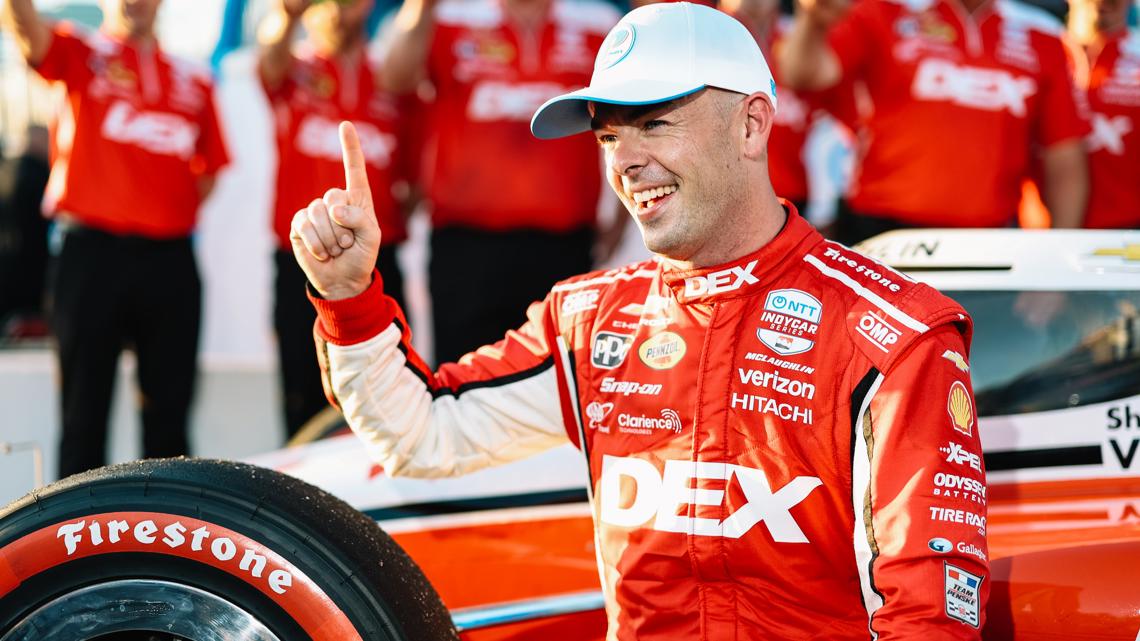
For the second year running, Team Penske’s Scott McLaughlin has asserted his dominance on the demanding St. Petersburg street circuit, securing the coveted pole grand prix position. The New Zealander clocked an astonishing best lap of 1 minute, .5426 of a second in his No. 3 Team Penske Chevrolet on the 14-turn, 1.8-mile temporary track. This marks McLaughlin’s 12th career IndyCar pole and his third in the last five years at St. Petersburg, a remarkable testament to his proficiency on this particular layout.
Starting from the very front of the 25-car field is a monumental advantage on any street circuit, where overtaking opportunities are notoriously scarce. McLaughlin's back-to-back pole wins here signal not only his exceptional skill but also the superb preparation by his team, particularly with new engineer Raul Prados. As McLaughlin himself expressed, "Everybody knows the slog we went through last year, so to start on this note is fantastic." This strong start could be crucial for building momentum early in the championship hunt. His consistency in qualifying here makes him a formidable force, and all eyes will be on him to convert this prime starting spot into a victory. For more insights into his qualifying triumph, you can read about Scott McLaughlin Secures Back-to-Back St. Pete Grand Prix Pole.
The Front Row and Rising Stars
Joining McLaughlin on the prestigious front row is another familiar face, 2022 Indianapolis 500 winner Marcus Ericsson. Driving the No. 28 Honda for Andretti Global, Ericsson secured the second position with a best lap of 1:00.5621, demonstrating that he’s ready to contend right from the start. His experience and race craft will make him a serious threat to McLaughlin’s lead.
Perhaps the biggest surprise of qualifying came from rookie Dennis Hauger, who brilliantly navigated his No. 19 Honda to clinch the third starting spot with a lap of 1:00.5743. Hauger's performance is remarkable, making him the first driver since Christian Lundgaard in 2021 to reach the Firestone Fast Six in their series debut. This strong showing indicates a natural talent for street course racing and immediately places him in contention against seasoned veterans. While race day is a different beast, a top-three start provides a crucial foundation for the young driver to learn and compete.
Champions Battling from the Pack: St. Pete Grand Prix Starting Grid Unveiled
While some celebrated, others faced an uphill battle from the outset. Defending St. Petersburg Grand Prix winner and reigning IndyCar Series champion Alex Palou will start fourth in his No. 10 Chip Ganassi Racing Honda, with a best lap of 1:00.6842. Though not on the front row, starting fourth still positions the four-time series champ well within striking distance of the leaders, showcasing his consistent pace.
Rounding out the top six are David Malukas in fifth, driving the No. 12 Chevrolet for Penske (having replaced Will Power), and Romain Grosjean, who makes a strong return to the series after a one-year hiatus, qualifying sixth in the No. 18 Dale Coyne Racing Honda. Their positions promise an exciting scramble within the top tier of the field.
However, the qualifying session proved to be challenging for several other championship contenders. Pato O’Ward, last year’s IndyCar standings runner-up, failed to advance past the second round of qualifying and will start eighth in his No. 5 Chevrolet. While not ideal, O’Ward has a proven track record of moving through the field.
More significantly, multiple series champions faced unexpected eliminations in the first round. Six-time series champion Scott Dixon, driving the No. 9 Chip Ganassi Racing car, will start a distant 16th after a slide during his final qualifying lap. This marks the first time he's been eliminated in the opening round at St. Pete since 2013, highlighting the unforgiving nature of the circuit. Even further back is two-time series champion and two-time St. Petersburg winner Josef Newgarden, who will roll off 23rd in the No. 2 Team Penske Chevrolet. These unexpected struggles for seasoned champions underscore the incredibly competitive nature of the IndyCar Series and the thin margins between glory and disappointment. To delve deeper into the surprises and struggles of qualifying, check out St. Petersburg Grand Prix Pole: Rookie Surprises & Champion Struggles.
Here’s a snapshot of the top qualifiers for the Firestone Grand Prix of St. Petersburg:
- 1. Scott McLaughlin (No. 3 Team Penske Chevrolet) - 1:00.5426
- 2. Marcus Ericsson (No. 28 Andretti Global Honda) - 1:00.5621
- 3. Dennis Hauger (No. 19 Honda) - 1:00.5743
- 4. Alex Palou (No. 10 Chip Ganassi Racing Honda) - 1:00.6842
- 5. David Malukas (No. 12 Penske Chevrolet) - 1:00.7638
- 6. Romain Grosjean (No. 18 Dale Coyne Racing Honda) - 1:01.3462
- ...
- 8. Pato O’Ward (No. 5 Chevrolet)
- ...
- 16. Scott Dixon (No. 9 Chip Ganassi Racing car)
- ...
- 23. Josef Newgarden (No. 2 Team Penske Chevrolet)
Keys to Victory on the St. Pete Street Circuit
The Firestone Grand Prix of St. Petersburg is a grueling 100-lap sprint on a tight, unforgiving temporary street course. Starting position, while critical, isn't the only determinant of success. Here are some factors that will play a vital role on race day:
- Initial Clean Break: Avoiding contact and holding position in the opening laps is paramount. The first few turns are often where ambitions are either realized or shattered.
- Tire Management: The concrete and asphalt sections of the street course can be incredibly abrasive. Drivers and teams must expertly manage tire wear across multiple stints to maintain pace.
- Pit Stop Strategy: Undercuts, overcuts, and perfectly executed stops can make or break a race. Quick work by the pit crews will be as important as the drivers’ skills.
- Capitalizing on Caution Periods: Safety cars are a frequent occurrence on street circuits. Teams that can make smart decisions under caution, whether for fuel, tires, or track position, will gain a significant advantage.
- Overtaking Opportunities: While limited, daring passes are possible, especially under braking into tighter corners. Drivers starting further back, like Dixon and Newgarden, will need to be aggressive but smart.
What to Watch For: Race Day Dynamics
With Scott McLaughlin on the pole grand prix and seemingly unstoppable at St. Pete, he'll be aiming for a lights-to-flag victory. However, Marcus Ericsson is a formidable opponent and won't make it easy. The wildcard in the top three is rookie Dennis Hauger, whose performance will be under intense scrutiny. Can he maintain his composure and convert his strong qualifying into a strong finish, or will the pressure of race day on a street course prove too much?
Further back, the narratives of the champions battling from the midfield add immense intrigue. Scott Dixon and Josef Newgarden, both masters of race strategy and car management, will be looking to claw their way through the field. Their ability to minimize damage, make smart pit calls, and pick off competitors will be a fascinating subplot. Expect patience and opportunistic driving from them. The unpredictable nature of street circuit racing, with potential for crashes and caution flags, means that even those starting at the rear of the grid have a mathematical chance to contend if they stay clean and take advantage of every opportunity. The opening IndyCar race promises high-octane action, drama, and potentially a new chapter written in the series' rich history.
As the NTT IndyCar Series season roars to life in St. Petersburg, the qualifying results have set a thrilling stage. From Scott McLaughlin's dominant back-to-back pole grand prix performance to the surprising emergence of rookie Dennis Hauger, and the challenges faced by seasoned champions, every position on the grid tells a story. The Firestone Grand Prix of St. Petersburg is more than just a race; it's a declaration of intent for the season, where raw speed meets strategic brilliance on the unforgiving streets. Fans can expect a captivating battle for supremacy as drivers push their limits to kick off the championship chase with a win.